


Last updated: May 28, 2026
Quick Answer: Selling wholesale disposable vapes in Canada is legal but heavily regulated at both the federal and provincial level. Retailers typically earn gross margins of 30% to 45% per unit, though excise duties (which can reach $11–$22 per device in provinces like Ontario) significantly affect net profitability. Success depends on securing proper licensing, choosing compliant suppliers, and staying current with rules that differ from province to province.
Key Takeaways
- Federal law caps nicotine concentration at 20 mg/mL for all vaping products sold in Canada.
- The federal minimum purchase age is 18, but most provinces set it at 19.
- A federal excise duty on vaping products has been in effect since 2022; Ontario doubled the rate with a coordinated provincial tax in July 2024.
- Gross profit margins on disposable vapes typically range from 30% to 45%, but excise taxes can be the single largest cost component.
- Every legally sold disposable vape must carry a province-specific excise stamp.
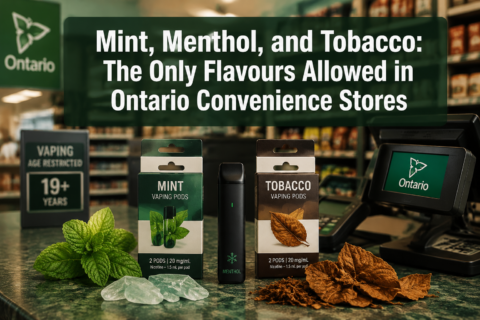
- Flavor restrictions vary: Ontario limits convenience stores to tobacco, mint, and menthol, while specialty vape shops can sell the full flavor range.
- Online vape sales are permitted federally, but age verification and provincial shipping rules apply.
- High-capacity devices (e.g., 50,000-puff units) are driving revenue growth in 2026 due to higher per-unit margins.
- Advertising is restricted: no youth-appealing promotions, no misleading health claims.
- Child-resistant packaging certified to ISO 8317 or 16 CFR 1700.20 is mandatory.
Are Disposable Vapes Legal to Sell Wholesale in Canada Right Now?
Yes. Wholesale distribution of disposable vapes is legal across Canada in 2026, provided the seller complies with federal and provincial regulations. The key federal framework is the Tobacco and Vaping Products Act (TVPA), which governs manufacturing, sale, labeling, and promotion of all vaping products.
Legality, however, comes with conditions:
- Nicotine cap: All vaping liquids must contain no more than 20 mg/mL of nicotine, a rule in effect since July 2021.
- Excise stamping: Products must carry the correct federal and (where applicable) provincial excise stamp before they reach a retail shelf.
- Product standards: Devices must meet child-resistant container requirements, with inspectors sometimes requesting ISO 8317 or 16 CFR 1700.20 lab test reports on-site.
Selling unstamped or non-compliant products can result in seizure of inventory, fines, and loss of your distribution license. If you’re new to the space, start by reading the complete guide to selling wholesale disposable vapes in Canada for a broader overview.
Common mistake: Assuming that because a product is legal in one province, it’s automatically compliant in another. Provincial rules on flavors, display, and taxation differ significantly.
What Licenses Do I Need to Distribute Vapes Across Canadian Provinces?
At minimum, you need a federal vaping product excise license from the Canada Revenue Agency (CRA) if you manufacture or stamp products. Retailers and wholesalers also need provincial business licenses and, in some provinces, a specific tobacco/vape retail or wholesale permit.
Here’s a general breakdown of what’s required:
- Federal excise license — Required for anyone involved in the production or stamping of vaping products. Distributors who import and stamp products need this.
- Provincial business license — Standard requirement in every province. Applied for through your municipal or provincial government.
- Provincial vape-specific permit — Some provinces (e.g., British Columbia, Nova Scotia) require a separate tobacco/vape retailer or wholesaler registration.
- Import permits — If sourcing products internationally, you may need to register with the Canada Border Services Agency and comply with Health Canada’s import requirements.
Decision rule: If you only resell already-stamped products from a licensed Canadian distributor, you typically don’t need a federal excise license yourself. But you still need provincial retail or wholesale permits depending on your location.
Check with your provincial regulatory body before placing your first order. Requirements change, and operating without the right permit can shut down your business overnight.
Which Canadian Provinces Have the Strictest Vape Regulations?
Nova Scotia, Prince Edward Island, and Ontario consistently rank among the strictest provinces for vape regulation in 2026. Nova Scotia banned flavored vaping products entirely (with limited exceptions) and restricts where products can be displayed. Ontario’s coordinated excise tax, combined with flavor restrictions for non-specialty retailers, creates one of the most complex compliance environments in the country.

| Province | Min. Age | Flavor Restrictions | Provincial Excise Tax | Display Rules |
|---|---|---|---|---|
| Ontario | 19 | Convenience stores: tobacco/mint/menthol only; full range in vape shops | Yes (since July 2024) | Restricted display in non-specialty stores |
| Nova Scotia | 19 | Most flavors banned | Yes | Products must be hidden from view |
| British Columbia | 19 | Some restrictions pending | Under review | Restricted in some municipalities |
| Quebec | 18 | Flavor restrictions in effect | Provincial tax applies | Strict display rules |
| Alberta | 18 | Fewer restrictions than eastern provinces | Federal excise only (as of 2026) | Relatively relaxed |
| PEI | 19 | Strict flavor ban | Yes | Products hidden from view |
Edge case: Municipal bylaws can add another layer. Cities like Toronto and Vancouver have enacted additional restrictions on where vape shops can operate and how products are displayed, even beyond provincial rules.
For a deeper look at Ontario’s rules specifically, see this guide to vaping laws in Ontario for 2026.
How Much Money Can I Make Selling Vape Products in Bulk?
Gross margins on disposable vapes typically fall between 30% and 45%. A device purchased wholesale for $5–$8 and sold at retail for $10–$15 generates this range. A busy retail location might move 300–600 disposable units per month, meaning gross profit from disposables alone can reach $1,500–$4,200 monthly before overhead.
But gross margin doesn’t tell the whole story. Here’s what eats into your profit:
- Excise taxes: In Ontario, the combined federal and provincial excise on a disposable vape with a 10–20 mL fill can be $11–$22 per unit. This is often the single largest cost, exceeding the wholesale product price itself.
- Shipping and logistics: Bulk orders reduce per-unit shipping costs, but cold-chain or expedited shipping for time-sensitive inventory adds up.
- Compliance costs: Licensing fees, age-verification systems, and periodic inspections all carry costs.
- Shrinkage and returns: Defective units, theft, and expired inventory reduce effective margins.
The shift to high-capacity devices matters. In 2026, products like 50,000-puff disposables have become major revenue drivers because they command higher retail prices and often deliver better per-unit margins than smaller devices. For context on what’s trending, check out the best disposable vapes in Canada for 2026.
What Are the Typical Profit Margins for Disposable Vape Wholesale?
Wholesale-to-retail gross margins on disposable vapes range from 30% to 50%, depending on the product, province, and supplier relationship. The lower end (30%) is common for high-volume, low-price units sold in competitive urban markets. The upper end (45–50%) is achievable with premium or high-puff-count devices sold in specialty vape shops with less price competition.

Sample margin calculation (Ontario, 2026):
| Cost Component | Amount (est.) |
|---|---|
| Wholesale product cost | $6.00 |
| Federal excise duty | $7.00 |
| Provincial excise duty (Ontario) | $7.00 |
| Shipping (per unit, bulk) | $0.50 |
| Total landed cost | $20.50 |
| Retail price | $28.00–$32.00 |
| Gross margin | ~27%–36% |
Notice how excise duties compress margins significantly in provinces with coordinated taxes. In Alberta, where only the federal excise applies as of 2026, the same product might yield a gross margin closer to 45%.
Tip: Negotiate volume-based pricing with suppliers. Wholesale prices for the same product can vary substantially between distributors due to import relationships and operational costs. Even a $0.50–$1.00 per-unit reduction at scale translates to thousands of dollars annually.
How Do Canadian Vape Tax Laws Impact My Wholesale Business?
Excise taxes are the single biggest factor compressing vape wholesale margins in Canada. The federal excise duty on vaping products has been in effect since 2022. Ontario layered on a coordinated provincial tax starting July 2024, effectively doubling the excise rate in that province.
Here’s how the tax structure works in practice:
- Federal excise duty: Applied per milliliter of vaping liquid. The rate increases for volumes above 10 mL.
- Provincial coordinated duty: Provinces that opt in (Ontario, for example) add an equal provincial rate on top of the federal duty.
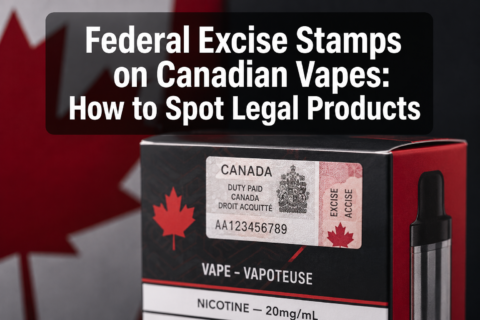
- Excise stamps: Every legally sold disposable vape must display a province-specific excise stamp. Unstamped products are illegal to sell and can be seized.
What this means for wholesalers:
- For a disposable vape containing 10–20 mL of e-liquid, the combined excise component can be $11–$22 per unit in Ontario.
- Excise is often the dominant cost, exceeding the wholesale product price.
- You must factor excise into your pricing model before committing to inventory. Underpricing because you forgot to account for excise is a fast way to lose money.
Choose your province strategically if you have flexibility in where to base operations. Provinces without a coordinated provincial excise (as of 2026) offer meaningfully better margin potential.
Can I Sell Vapes Online in Canada or Only Through Physical Stores?
Online sales of vaping products are legal at the federal level in Canada. However, sellers must implement robust age verification and comply with provincial rules on shipping, advertising, and flavor availability.
Key requirements for online vape sales:
- Age verification at purchase: You must confirm the buyer meets the minimum age (18 federally, 19 in most provinces) before completing a transaction. Many sellers use third-party age-verification services that cross-reference government ID databases.
- Age verification at delivery: Some provinces require age verification at the point of delivery, meaning the courier must check ID.
- Shipping restrictions: Certain provinces restrict interprovincial shipment of vaping products, or require that products shipped into the province carry the correct provincial excise stamp.
- Advertising limits: Online promotions cannot appeal to youth, use testimonials, or make health claims. Social media marketing is particularly scrutinized.
Common mistake: Assuming that because your website is based in one province, you can ship freely to all others. Provincial excise stamp requirements mean a product stamped for Ontario cannot legally be sold in Quebec, and vice versa.
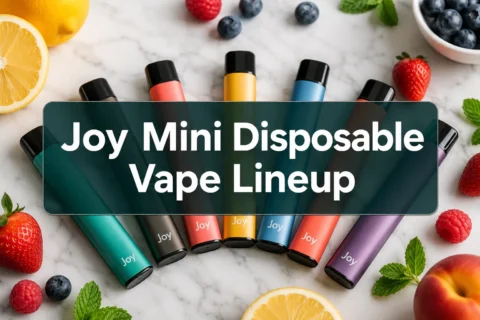
For retailers exploring online channels, platforms like Joy Mini’s online shop demonstrate how compliant e-commerce for disposable vapes works in practice.
What Age Restrictions Apply When Selling Vapes in Canadian Markets?
The federal minimum age to purchase vaping products in Canada is 18 years old. However, most provinces have set the bar higher at 19, including Ontario, British Columbia, Alberta, and Nova Scotia. Quebec’s minimum is 18, aligning with the federal floor.
Enforcement is strict. Selling to a minor — even accidentally — can result in:
- Fines ranging from hundreds to thousands of dollars per offense
- Suspension or revocation of your retail or wholesale license
- Criminal charges in repeat or egregious cases
Best practices for age compliance:
- Train every employee on ID-checking procedures. Accept only government-issued photo ID.
- Post minimum-age signage prominently at every point of sale.
- Use electronic age-verification systems for online orders (third-party services that validate against ID databases).
- Require signature and ID check upon delivery for all shipped orders.
- Document your compliance procedures in writing. Inspectors may ask to see your policy.
How Do I Verify Wholesale Vape Customer Age and Credentials?
If you’re a wholesaler selling to retailers, you need to verify that your buyers hold valid retail licenses and are authorized to sell vaping products in their province. For direct-to-consumer sales, age verification is mandatory at purchase and often at delivery.
For B2B (wholesale-to-retailer) verification:
- Request a copy of the buyer’s provincial vape retail permit or business license before fulfilling orders.
- Verify the license number with the issuing provincial authority.
- Keep records of all verified credentials. Auditors may request proof that you only sold to licensed retailers.
For B2C (direct-to-consumer) verification:
- Use a third-party age-verification service (e.g., services that cross-reference name, date of birth, and address against government databases).
- Require government-issued photo ID upload for first-time online buyers.
- Implement age gates on your website (though these alone are not sufficient for compliance — they must be paired with actual ID verification).
Edge case: If a retailer’s license expires mid-contract, you may be liable for products shipped after the expiration date. Build license-expiry tracking into your order management system.
What Packaging Requirements Exist for Wholesale Vape Distribution?
All disposable vapes sold in Canada must meet child-resistant packaging standards, certified to either ISO 8317 or 16 CFR 1700.20. Health Canada inspectors can request third-party lab test reports on-site, so keep documentation readily accessible.
Additional packaging requirements include:
- Health warnings: Packages must display prescribed health warnings about nicotine addiction, in both English and French.
- Nicotine concentration disclosure: The exact nicotine content (in mg/mL) must be clearly stated on the package.
- Excise stamps: Province-specific stamps must be affixed and visible. Selling unstamped products is illegal.
- No youth-appealing design: Packaging cannot feature cartoons, characters, or imagery that could appeal to minors.
- Ingredient listing: A list of ingredients in the vaping liquid must be included.
Practical tip: Before ordering a large batch from any supplier, request a sample unit and verify that all packaging elements meet current federal and provincial requirements. Regulations change, and a supplier’s packaging that was compliant six months ago may not be compliant today.
For a technical understanding of what’s inside these devices, see how disposable vapes work: battery, coil, and e-liquid explained.
How Do I Find Reliable Wholesale Vape Suppliers in Canada?
Start with suppliers who hold a valid federal excise license, carry properly stamped inventory, and can provide compliance documentation (child-resistance certifications, lab reports, ingredient lists) on request. A reliable supplier saves you from regulatory headaches downstream.
Evaluation checklist for wholesale vape suppliers:
- Excise license verification: Ask for their CRA excise license number and verify it independently.
- Stamped inventory: Confirm all products carry the correct provincial excise stamps for the province(s) you sell in.
- Compliance documentation: Request ISO 8317 or 16 CFR 1700.20 child-resistance test reports, plus nicotine concentration lab results.
- Product range: A good supplier carries a mix of popular flavors and puff counts, including trending high-capacity devices.
- Pricing transparency: Wholesale prices should be clearly listed or quoted, with volume discounts available. Be wary of suppliers who won’t share pricing until you commit.
- Reputation: Check reviews, ask other retailers, and look for suppliers with an established track record.
- Return and defect policy: Understand how the supplier handles defective units before you order.
Ontario-based retailers can explore wholesale disposable vapes from Joy Mini as one option, and our guide on how to choose the best wholesale vape supplier in Ontario covers the evaluation process in more detail.
Decision rule: Choose a domestic Canadian distributor over a direct overseas import if you want pre-stamped, compliance-ready inventory. Direct imports offer lower per-unit costs but require you to handle excise stamping, customs, and compliance testing yourself.
Which Demographic Buys the Most Disposable Vapes in Canada?
Adults aged 20 to 34 represent the largest consumer segment for disposable vapes in Canada. Within this group, convenience, flavor variety, and portability are the top purchase drivers. The trend toward high-puff-count devices (20,000–50,000 puffs) is strongest in this demographic.
Key demographic insights for wholesalers:
- Young adults (20–34): Highest purchase frequency. Prefer fruit and candy flavors. Gravitate toward high-capacity devices.
- Adults (35–50): Smaller but growing segment. More likely to prefer tobacco and menthol flavors. Often transitioning from traditional cigarettes.
- Gender split: Usage skews slightly male, but the gap has narrowed in recent years.
- Urban vs. rural: Urban areas show higher per-capita consumption, partly due to greater retail access and higher vape shop density.
Understanding your target demographic helps with inventory planning. If your customer base skews younger and urban, stock heavily in fruit and mixed-flavor high-puff devices. If you serve an older or more rural clientele, tobacco and menthol in standard puff counts may move faster.
For more on why disposables dominate the Canadian market, see the rise of disposable vapes in Canada.
What Common Mistakes Do New Vape Wholesalers Make?
The most frequent mistake is underestimating the impact of excise taxes on pricing and margins. New wholesalers often calculate margins based on wholesale cost alone, then discover that excise duties consume most of their expected profit.
Other common mistakes:
- Ignoring provincial differences. Stocking flavored products for a convenience store in Ontario (where only tobacco/mint/menthol are allowed in non-specialty stores) leads to unsellable inventory.
- Skipping compliance documentation. Not having child-resistance test reports available when an inspector visits can result in immediate fines or product seizure.
- Over-ordering unproven SKUs. Buying 1,000 units of an untested flavor because the wholesale price was attractive is a recipe for dead stock. Start with smaller test orders.
- Neglecting age-verification systems. Relying on visual age checks alone (especially online) doesn’t meet the legal standard in most provinces.
- Choosing suppliers on price alone. The cheapest supplier may cut corners on excise stamping, packaging compliance, or product quality. One batch of non-compliant product can cost more in fines than you saved.
- Not tracking regulatory changes. Vape regulations in Canada are evolving rapidly. A rule that didn’t exist six months ago might apply today. Subscribe to Health Canada updates and provincial regulatory bulletins.
- Poor inventory rotation. Disposable vapes have a shelf life. E-liquid degrades over time, and batteries lose charge. First-in, first-out inventory management is essential.
Selling Wholesale Disposable Vapes in Canada: A Step-by-Step Startup Checklist
For anyone ready to enter the market, here’s a practical checklist covering the essentials of selling wholesale disposable vapes in Canada: laws, margins, and tips distilled into actionable steps.
Phase 1: Legal Setup
- Register your business with your province
- Obtain a provincial vape retail or wholesale permit
- Determine if you need a federal excise license (required if you stamp products)
- Consult a lawyer familiar with Canadian vaping regulations
Phase 2: Supplier Selection
- Identify 2–3 potential wholesale suppliers
- Verify each supplier’s federal excise license
- Request compliance documentation (child-resistance certs, lab reports)
- Order samples and verify packaging meets current regulations
- Negotiate volume pricing and payment terms
Phase 3: Financial Planning
- Calculate true landed cost per unit (wholesale + excise + shipping)
- Set retail prices that achieve your target margin (aim for 30%+ gross)
- Budget for compliance costs (licensing, inspections, age-verification systems)
- Project monthly volume based on your location and customer base
Phase 4: Operations
- Implement an age-verification system (in-store and/or online)
- Train staff on ID-checking procedures and compliance requirements
- Set up inventory management with first-in, first-out rotation
- Post required signage (age restrictions, health warnings)
- Create a compliance file with all documentation accessible for inspectors
Phase 5: Growth
- Track sales data by SKU to identify top performers
- Adjust inventory mix based on actual demand (flavor, puff count, price point)
- Explore online sales channels with proper age verification
- Renegotiate supplier pricing as volume increases
- Stay current with regulatory changes at federal and provincial levels
Conclusion
Selling wholesale disposable vapes in Canada offers real profit potential, with gross margins of 30–45% and strong consumer demand, especially among adults aged 20–34. But this is not a business where you can wing compliance. Excise taxes, provincial flavor restrictions, age-verification requirements, and packaging standards create a regulatory environment that punishes carelessness.
Actionable next steps:
- Start with your province’s specific rules. Don’t rely on federal guidelines alone. Check flavor restrictions, display rules, and whether a coordinated provincial excise tax applies.
- Calculate your true per-unit cost including excise duties before setting retail prices. If margins don’t work in your province, consider whether a different product mix (e.g., higher-puff devices) improves the math.
- Choose a compliant supplier who provides stamped inventory and full documentation. The time saved on compliance is worth paying slightly more per unit.
- Invest in proper age verification from day one. The cost of a third-party verification service is trivial compared to the cost of a single fine.
- Monitor regulations quarterly. Canadian vape laws are a moving target. What’s compliant today may not be compliant in six months.
The wholesale disposable vape market in Canada rewards operators who combine regulatory discipline with smart inventory management. Get the compliance foundation right, and the margins will follow.
Frequently Asked Questions
Do I need a special license to sell disposable vapes wholesale in Canada? Yes. At minimum, you need a provincial business license and, in most provinces, a vape-specific retail or wholesale permit. If you stamp products with excise stamps, you also need a federal excise license from the CRA.
What is the nicotine limit for disposable vapes in Canada? The federal limit is 20 mg/mL, in effect since July 2021. This applies to all vaping liquids, including those pre-filled in disposable devices.
Can I sell flavored disposable vapes in Ontario? It depends on your store type. Specialty vape shops in Ontario can sell all flavors. Convenience stores and gas stations are restricted to tobacco, mint, and menthol flavors.
How much does excise tax add to the cost of a disposable vape? In provinces with coordinated excise taxes like Ontario, the combined federal and provincial duty on a 10–20 mL disposable can be $11–$22 per unit. In provinces with only the federal excise, the cost is roughly half that.
Is it legal to sell disposable vapes online in Canada? Yes, online sales are legal federally. However, you must implement age verification at purchase and, in some provinces, at delivery. Products must also carry the correct provincial excise stamp for the buyer’s province.
What happens if I sell unstamped vaping products? Selling unstamped products is illegal. Penalties include product seizure, fines, and potential loss of your business license. Repeat offenses can lead to criminal charges.
What are child-resistant packaging requirements for vapes? All disposable vapes must be sold in child-resistant packaging certified to ISO 8317 or 16 CFR 1700.20 standards. Inspectors may request lab test reports on-site.
How many disposable vapes does a typical retail shop sell per month? A busy vape or smoke shop might move 300–600 disposable units per month. Volume varies significantly based on location, foot traffic, and product selection.
Can I import disposable vapes directly from overseas manufacturers? Yes, but you’ll need to handle customs clearance, excise stamping, and compliance verification yourself. Many new wholesalers find it easier to source from established Canadian distributors who provide pre-stamped, compliant inventory.
What’s the minimum age to buy vapes in Canada? The federal minimum is 18, but most provinces set it at 19. Always follow the higher provincial requirement.
Are there advertising restrictions for vape products in Canada? Yes. Vaping product advertising cannot appeal to youth, use testimonials, or make misleading health claims. Social media promotions are subject to the same restrictions.
Do high-puff-count disposable vapes have higher profit margins? Generally yes. High-capacity devices (e.g., 50,000-puff units) command higher retail prices and often deliver better per-unit margins than smaller devices, making them a significant revenue driver in 2026.